How to Make a Game With AI and Actually Ship It
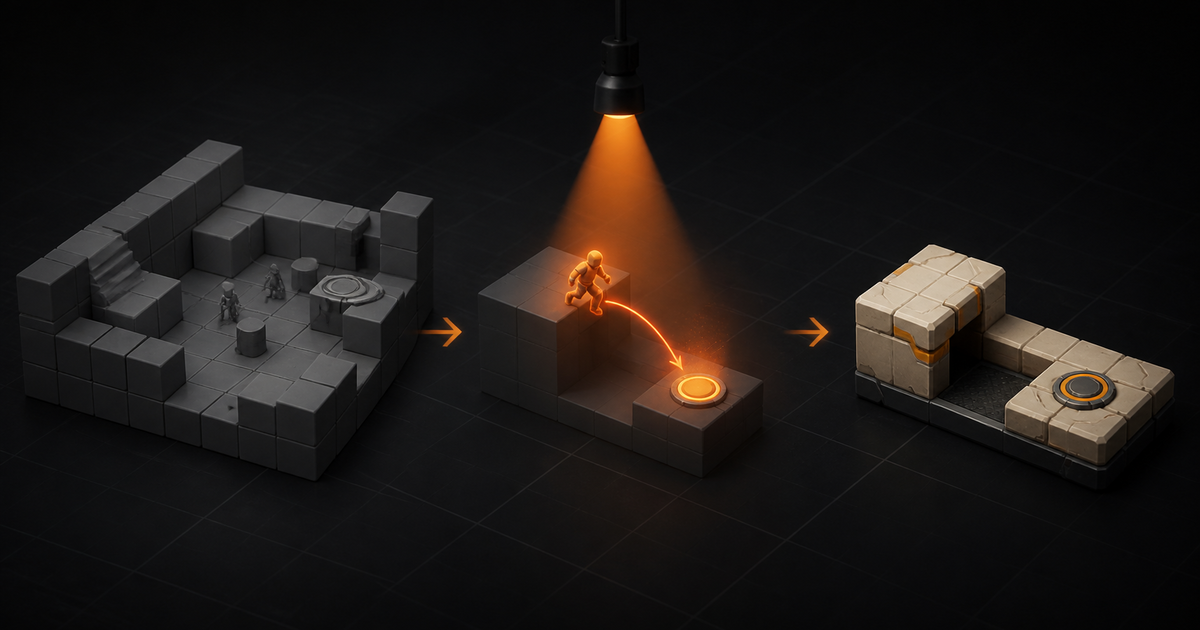
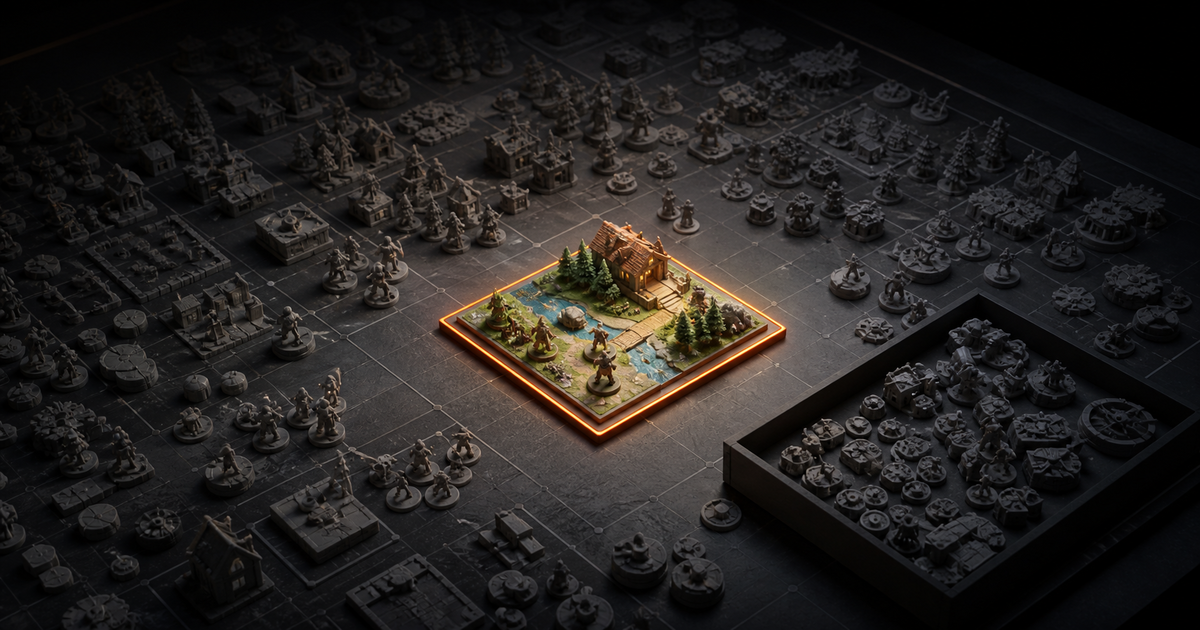
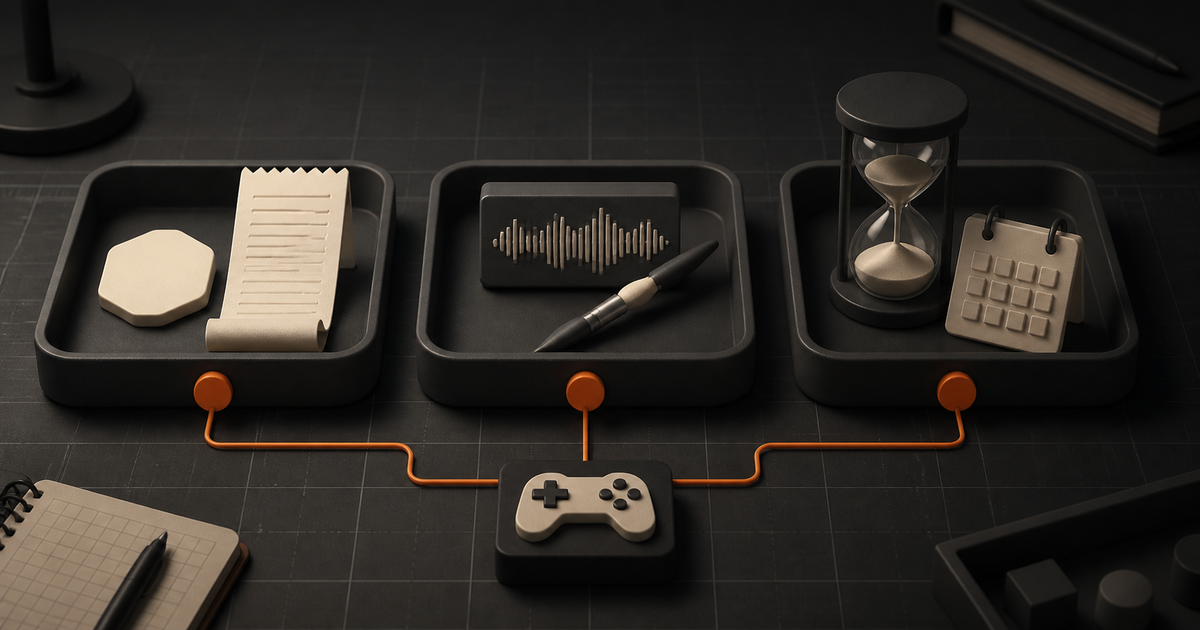
The honest end to end of how to make a game with AI, where it helps, where it faceplants, and why finishing a small game is the real bottleneck.
The Build
The honest end to end of how to make a game with AI, where it helps, where it faceplants, and why finishing a small game is the real bottleneck.
The best Steam demos to study as a developer, from Valve's June 2026 most-played list checked today, with what each page says about length and carry-over.
A GDScript tutorial for Python programmers. A translation table with the documented traps, one complete Godot 4.7 script using every feature, typing habits.
A Godot engine 2D tutorial building one complete small game in Godot 4.7 with CharacterBody2D movement, coins, a countdown, best score, restart and web export.
Get into game development without a degree using a $0 tool stack with licenses checked, a 12-week plan, a four-rung portfolio ladder and the failures to expect.
Pick a no coding game engine by checking one small game spec against GDevelop, Construct 3, GameMaker, Unreal and Godot, using official docs and free-tier caps.
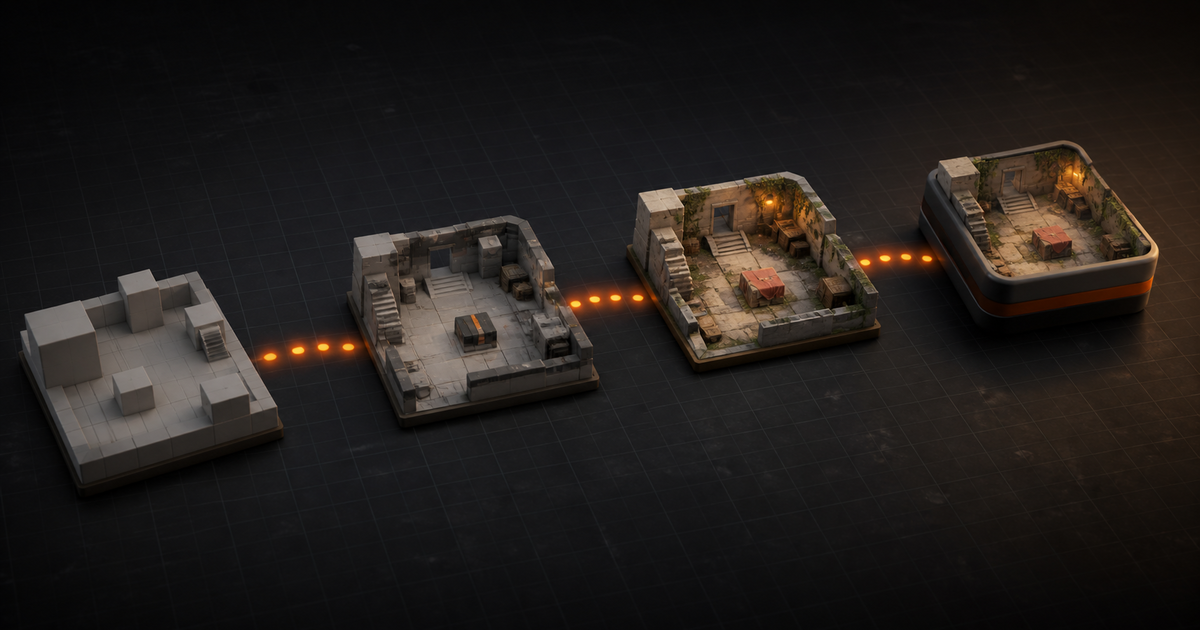
Add procedural generation to a game without losing design control. A seeded Godot 4 room generator, a solvability check, fixed anchors and failures to test.
How to make money making video games as a solo dev, with net-per-copy math from official Steam, itch.io, Apple and Google pages, fixed costs and payout timing.
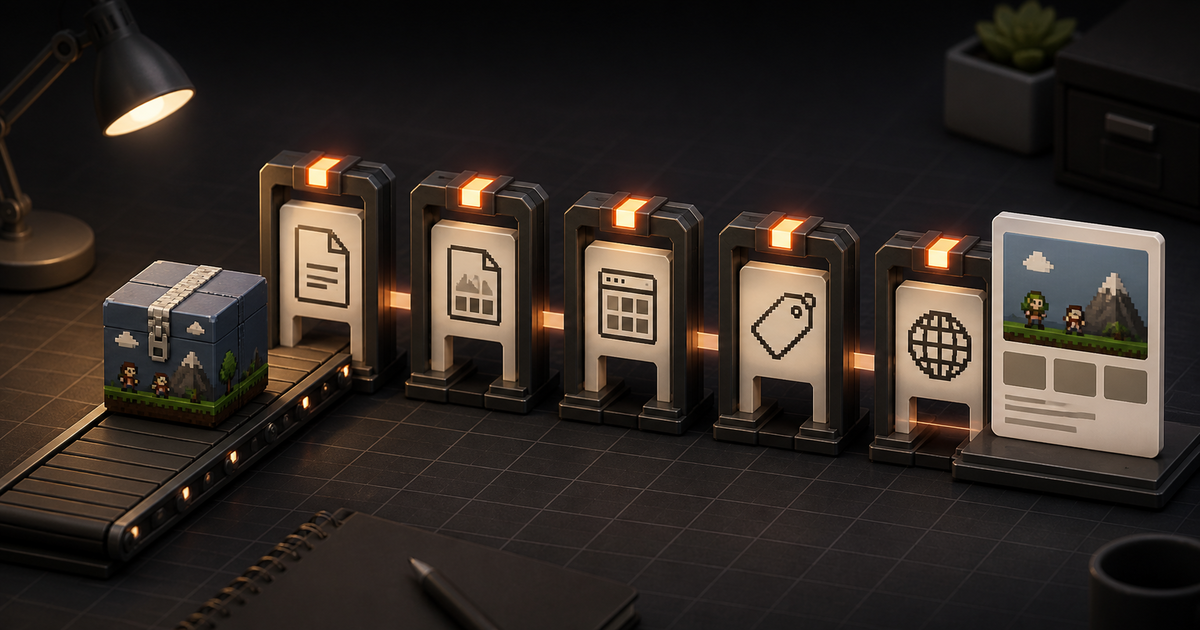
Learn how to publish a game on itch.io with a preflight for page assets, files, HTML5 archives, pricing, visibility, and a clean incognito test.
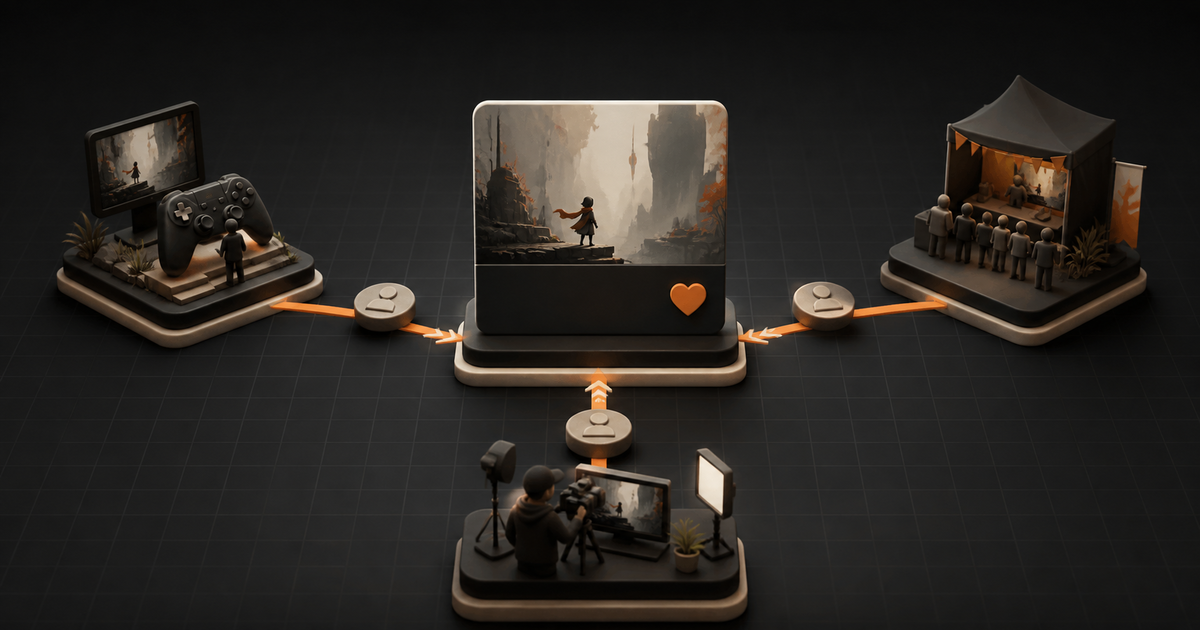
Learn how to get Steam wishlists with a source ledger for demos, events, creators, and store improvements, then read the data without vanity targets.
Learn how to prototype a video game by naming uncertainty, using disposable assets, testing one decision, and carrying only proven contracts into production.
Learn how to scope a game by locking one core verb, one loss condition, one content multiplier, and a hard cut list before production expands.
Build an indie game budget with separate ledgers for unavoidable fees, optional production spend, and founder-time burn, then tie each cost to scope.
Follow an indie game development roadmap where every phase ends with a playable artifact, a decision gate, and a smaller set of unknowns before release.
Use a five-session game playtest protocol with observation codes, severity rules, neutral questions, and a clear threshold for when to stop changing a section.