How to Prototype a Video Game Without Building Twice
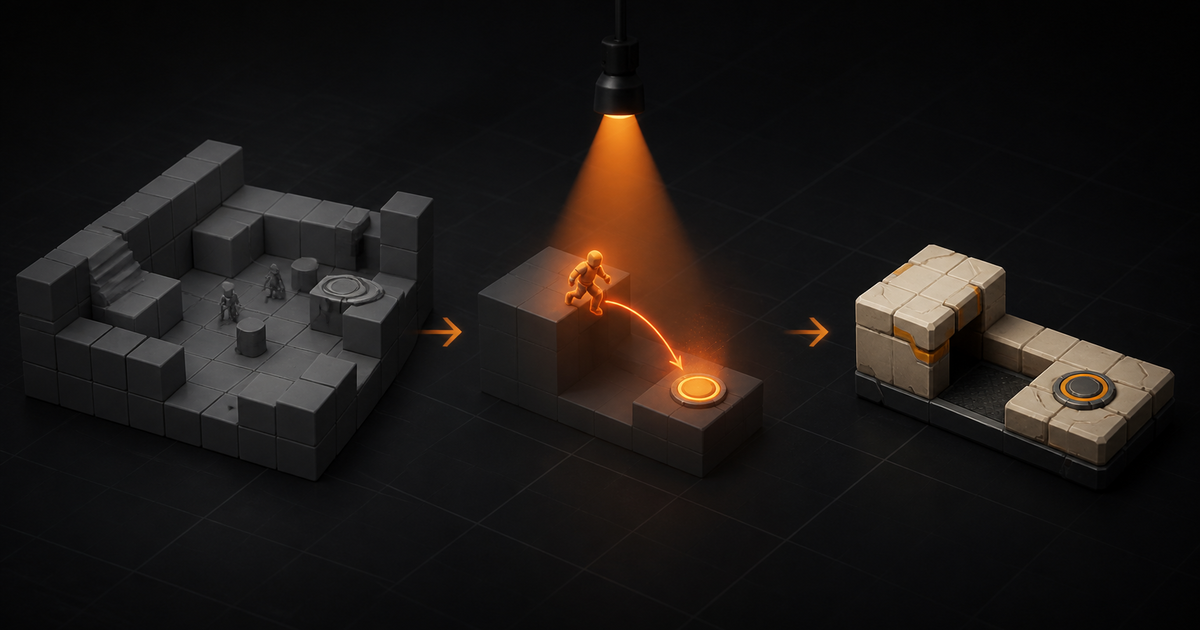
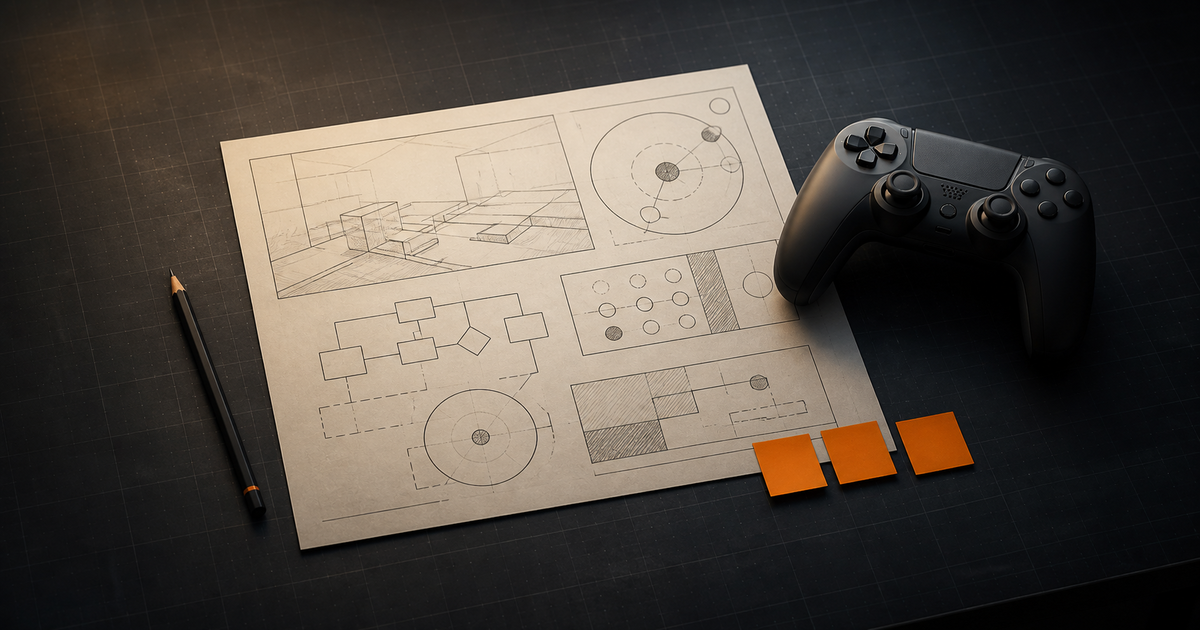
Learn how to prototype a video game by naming uncertainty, using disposable assets, testing one decision, and carrying only proven contracts into production.
Learn how to scope a game by locking one core verb, one loss condition, one content multiplier, and a hard cut list before production expands.
Build an indie game budget with separate ledgers for unavoidable fees, optional production spend, and founder-time burn, then tie each cost to scope.
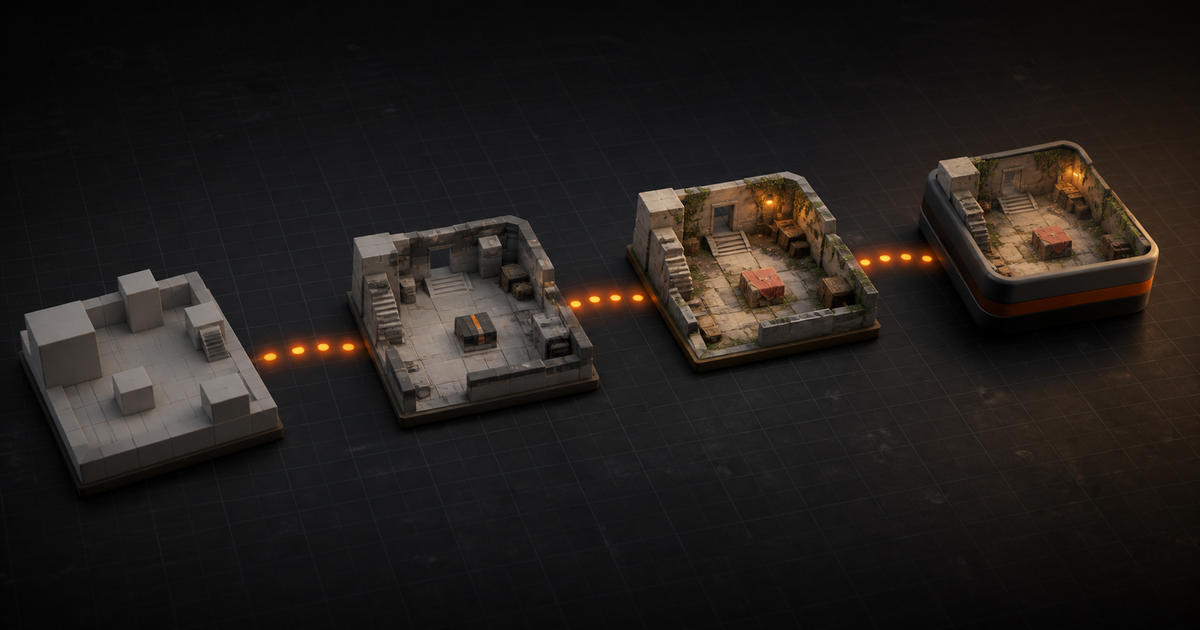
Follow an indie game development roadmap where every phase ends with a playable artifact, a decision gate, and a smaller set of unknowns before release.
Use a five-session game playtest protocol with observation codes, severity rules, neutral questions, and a clear threshold for when to stop changing a section.
Learn how to make a game trailer with a shot ledger that maps every clip to a mechanic, escalation beat, and truthful promise on your store page.
Use a build-first indie game marketing plan that turns playable progress into screenshots, clips, demos, store updates, outreach, and measurable next actions.
Build a tiny Godot multiplayer test with one server-authoritative action, then verify connection, authority, disconnect, and packet-loss behavior.
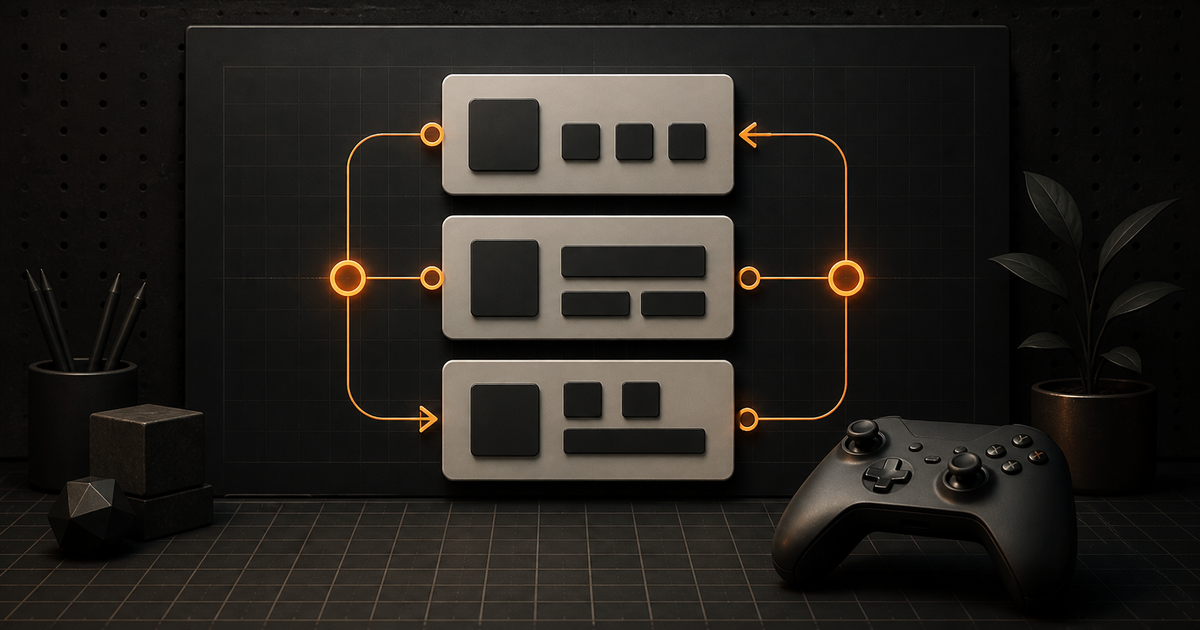
Follow a practical Godot UI tutorial to build a responsive menu with containers, anchors, keyboard and controller focus, and a working pause state.
Build a game design document you will actually update, using a one-page GDD template for the core loop, loss condition, scope, and next playable build.
The honest rundown of how to publish a game on Steam, the $100 Direct fee, Steam's 30 percent cut, the 30-day wait, and whether it's worth it yet.
An honest solo dev take on AI music for games. The sound is fine now, so here is the real trap, commercial licensing, looping, and stems, not audio quality.
An honest solo dev guide to AI sprite generator tools, what they actually output, where they break on transparency and sizes, and the workflow I run in Godot.
The honest way to make a mobile game as a solo beginner, the real store fees Apple and Google charge, touch controls, app review, and a scoped first build.
Yes, you can make a game without coding. Here's the honest no-code engine breakdown, real 2026 free tiers and prices, and the catch each one hides from you.
How to make a 2D game as a solo beginner, with the exact tiny first project, an hour by hour scope table, free engines compared, and where AI helps.
Godot vs Unity for beginners, settled by a solo dev who ships small games. Which one you'll actually finish in, the real 2026 prices, and what to ignore.
The best game engine for beginners, ranked by a solo dev who ships small games. Real 2026 prices, which one you'll finish in, and what to ignore.
The honest end to end of how to make a game with AI, where it helps, where it faceplants, and why finishing a small game is the real bottleneck.
My honest path to a first finished game in Godot as a solo dev, using AI to explain errors instead of build it for you, plus the traps that make beginners quit.
The best AI tools for game development in a small Godot workflow, chosen for coding, concept art, music, voice, cloud generation, and final integration.
An honest solo dev take on AI game art. Which assets AI actually nails, which read as slop, and the rough-it-in-then-replace workflow I run in Godot.
Using AI for game design ideas is easy. Scoping one down to something a solo dev can actually finish is the real work. Here's how I cut an idea to shippable.